

Crafting a Lasting Fitness Plan: 5 Strategies for a Sustainable Workout Routine
Getting into shape and improving health and wellbeing starts with willpower as well as creating a sustainable workout routine involving consistent exercise habits. For long-term fitness success, it’s essential to engage in enjoyable fitness activities that give you a sense of confidence and progress so that you are meeting your goals and overcoming workout challenges.

Building workout consistency helps individuals achieve fitness plan longevity by giving you routine and measurable milestones along your journey to better health. A long-term workout plan can be achieved with these five strategies:
Setting Realistic Goals
Defining Your Objectives
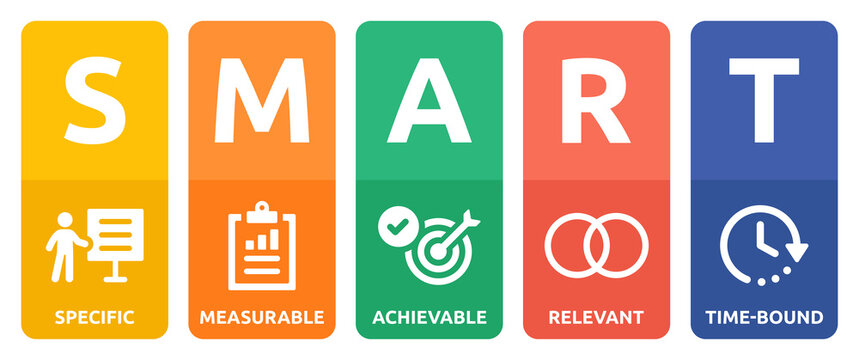
One of the best ways to start a long-term fitness plan is to establish SMART goals. Failure to define SMART goals can just as likely lead to your fitness plan failing since you may not feel the motivation or willpower needed to achieve your fitness goals, so it’s essential to lay out a plan with these five metrics:
- Specific: define your specific fitness goals. Ex: professional sports training, competing in a marathon, losing weight, getting back into shape for the summer.
- Measurable: can your fitness routine be measured? Ex: being able to perform reps with a certain weight, being able to run 20km, doing a minimum of 10 push-ups every day.
- Achievable: is it realistic for you to achieve your desired fitness goals within a given time? Ex: losing 10kg of body weight over a few months rather than in a few weeks, running at least 10km after training cardio for a few weeks.
- Relevant: why do you want to achieve goals in your fitness routine? Ex: being able to lift weights will increase your testosterone and help balance your energy levels, meeting lasting fitness goals will help you get in better shape and feel more confident.
- Time-bound: what is the time frame for you to achieve your fitness goals? Ex: being able to do 20 push ups every day after a month of going to the gym, lifting 70kg in a bench press after two months of training.

Understanding Your Limitations
Rome wasn’t built in a day, and highly skilled and competent athletes didn’t get to where they are overnight. No matter your fitness goals, they must fit within your physical limitations to avoid overexertion and to avoid injury – the latter of which can destroy any gains you may have made and should be avoided at all costs.1
For example, individuals with heart problems may want to refrain from excessive cardiovascular exercise and instead start out with smaller and more realistic exercises on a treadmill, only gradually pushing limitations slowly. Knowing your heart rate can help you establish proper routine for cardio to burn fat.
For weight training, there’s no shame lifting an empty bar (usually 20kg) if you haven’t lifted anything in a long time. Adding too much weight to start off with can cause injury, and it’s more important to ensure that you’re using proper form to begin with anyway.
Finding Enjoyable Activities
Discovering Your Passion
It’s essential to find enjoyable fitness activities that provide variety and maintain your interest. Otherwise, you may end up losing interest and slipping up your routine and failing to meet your desired fitness goals.
If you have a competitive drive, you may perhaps be more interested in sports than weightlifting. Your personal interests can help you determine which exercises feel more satisfying and less onerous than others.
Incorporating Variety
To keep things interesting, incorporate adaptable fitness strategies that fit within your limitations and that can help you meet your fitness goals. This not only staves off boredom, but it also can help you to overcome any plateaus to your performance.
Try mixing up different types of workouts. For weightlifting, this could be as simple as following the Stronglifts 5×5 workout which incorporates plenty of variety whilst facilitating progress and diversity in muscle building. For cardio, this could include mixing up ordinary treadmill exercise with HIIT cardio classes, outdoor sports, or spending Sundays outdoor hiking or jogging, for example.
Prioritising Consistency
Establishing a Routine
Long-term fitness success hinges on consistency and determination and there are no shortcuts when it comes to health and wellness. You can’t “catch up” on a lost month of weight training by simply training with 10x the normal amount of weight – it doesn’t work like that!

Instead, you must remain committed to a consistent workout schedule that gradually yields the desired fitness results. Use a phone app or an old fashioned pen and paper calendar to mark down workout/exercise dates and times and remain committed to it. Unless absolutely necessary, do not skip a session due to laziness or lack of motivation.
Overcoming Challenges
Following on the previous point, failure to maintain a strict workout schedule can easily turn into abandonment of the fitness plan altogether. Motivation must be kept high and is perhaps the single biggest obstacle for individuals trying to meet long-term fitness goals.
If possible, try to have a “gym buddy” or close friend or family member embark on a fitness journey with you. Let them motivate you when you’re perhaps feeling lazy, and return the favour when they feel like staying in. An accountability partner can greatly improve workout consistency by keeping motivation high over the course of your journey towards health and wellness.
Listening to Your Body
Recognizing Signs of Overtraining
Listening to your body during exercise and establishing realistic expectations for meeting your fitness goals is highly personal and can vary depending on your current health and fitness, lifestyle, diet, or any medical conditions that could constrain you to performing (or not) certain exercises.
Overtraining can have serious side effects and detract from any progress you’ve made, so avoid pushing yourself too hard and stay within your limits. Normal exertion is fine and normal (and good), so sweating, fatigue, and hunger after a workout are all quite normal. Just make sure that your workout schedule includes recovery time in between sessions and your workouts are within your limitations.

Incorporating Rest and Recovery
One of the most important things to consider in any long-term fitness strategy is your rest and recovery. No matter how serious your training regime may be, at least one day a week should be dedicated to rest and recovery. This stage is essential for muscle growth and to avoid overexertion which can lead to burnout, injuries, and many other negative side effects.

While rest and recovery should be just that, it is okay to spend the day doing some light walking or minor exercises so long as you aren’t overdoing it.
Adapting to Change
Flexibility and Adaptability
Although your long-term fitness plan should be robust and you should remain committed to it, all sorts of things can happen that can interfere with your routine. Adaptable fitness strategies are a good “plan B” that can help you continue along your fitness journey despite interruptions that may arise.
Family events and life changes might cause your circumstances to change, such as a pregnancy or an illness. These sorts of circumstances could make it difficult or dangerous to continue your fitness plan as-is, but it is essential to listen to your body and the advice of your GP to avoid harm or injury.
In many cases, it is possible to scale back your fitness plan temporarily by adapting to changes in life circumstances with alternative exercises.
Setting Long-Term Strategies
Creating a long-term fitness plan with SMART goals in mind is essential to start off – even better if your plan is flexible and adaptable. Over a long period of time, however, you may notice that perhaps your performance has reached a plateau or that you aren’t meeting your fitness goals as anticipated.
Try to monitor and evaluate your progress and make adjustments as needed. Your fitness plan can change and be improved according to your progress so that you optimise it according to your circumstances and continue to meet milestones.

The Performance Lab
Unlock your full health potential with fitness testing from The Performance Lab. We provide a full range of fitness tests including VO2 Max testing, metabolic testing, lactate threshold testing, and professional athlete coaching services in Ireland.
Measure Everything, Guess Nothing
Whether you’re looking to sculp a toned and attractive beach body, lose weight, train for an amateur or professional sporting event, or simply feel healthier and in better shape, a long-term fitness plan is essential. Create a sustainable workout routine, test and evaluate your progress with the best testing services from The Performance Lab, and achieve your very best.